This page serves as the centralized hub for LCC’s Hazard Communication (HazCom) Program. In alignment with Oregon OSHA and the Globally Harmonized System (GHS), we ensure that every employee and student has the "Right to Know" the identity and hazards of chemicals used at LCC.
Safety Data Sheets (SDS) & Search Tools
The Safety Data Sheet is the primary document for identifying chemical hazards, required Personal Protective Equipment (PPE), and emergency spill response.
Access LCC’s Online SDS Directory
(lanecc.kha.com): Search the digital binder for all hazardous chemicals used across the district.
Search the PubChem Database
Use this National Library of Medicine resource for supplemental authoritative data and Laboratory Chemical Safety Summaries (LCSS).
- Video Tutorial: How to use PubChem for Safety Information
Backup Protocol: In the event of a power or internet outage, a physical backup thumb drive is stored at:
- Science Division Office: Bldg. 16, Room 166B (with Division keys).
- Chemical Hygiene Officer’s Office: Bldg. 16, Room 123 (hanging next to desk).
Printable "Right to Know, Find SDS Fast Poster" (8.5" x 11")
LCC Hazard Communication Plan
1. Identifying & Labeling Chemicals
- Standard Labels: All containers must feature the product identifier, signal word, hazard statements, and pictograms.
- Small Containers: For containers under 100ml (small) or 3ml (very small), abbreviated labeling is permitted. Consult your Departmental SDS Coordinator for specific protocols.
- Secondary Containers: If you move a chemical to a new container, you must apply a workplace label. These can be printed directly from lanecc.kha.com.
2. Employee Training Requirements
Employees must complete two phases of training before working with hazardous chemicals:
- College-wide Training: Completed via Vector Solutions. This covers general OSHA requirements and the transition to GHS Revision 7/8 standards.
- Department-specific Training: Hands-on instruction regarding specific chemicals in your area, PPE selection, and emergency procedures.
3. Specialized Safety Notices
- Chemicals in Pipes: Before working near unlabeled pipes or pipes insulated with asbestos-containing material, contact Facilities at (541) 463-5000 to identify the contents and required safe work practices.
- Non-Routine Tasks: Supervisors must conduct a hazard evaluation and provide a specific safety briefing before employees perform unusual tasks involving chemical exposure.
Contractor Safety: LCC staff coordinating contractors must provide them with SDS access and ensure any chemicals brought on-site by the contractor are documented.
Understanding GHS Labels & Pictograms
All chemical containers at LCC, whether original manufacturer bottles or secondary workplace containers, must be labeled. Familiarize yourself with these universal pictograms. Download GHS pictograms from this link if helpful:
Health Hazards
Carcinogens, respiratory sensitizers, or reproductive toxicity.
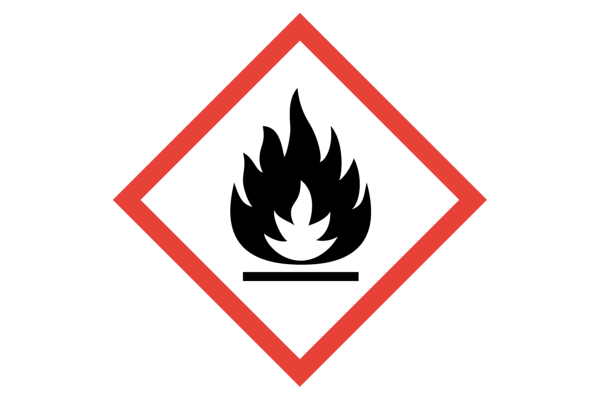
Flame
Flammables, pyrophorics, or self-heating substances.

Exclamation Mark
Irritants (skin/eye), narcotic effects, or respiratory tract irritants.
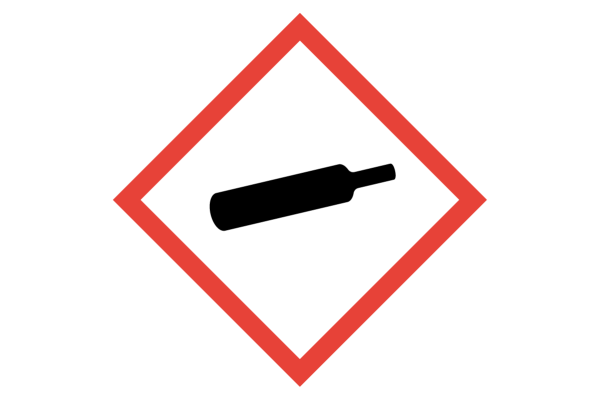
Gas Cylinder
Gases under pressure.
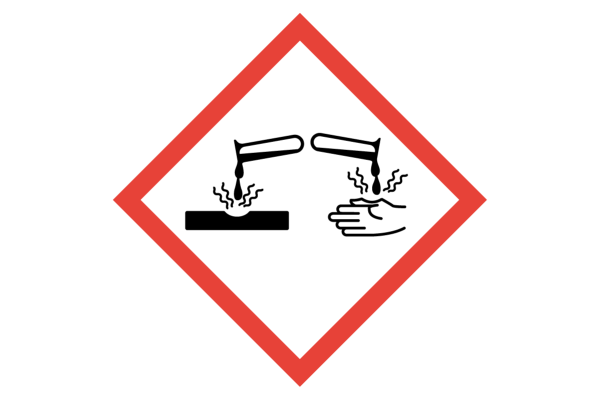
Corrosion
Skin corrosion/burns, eye damage, or corrosive to metals.

Exploding Bomb
Explosives or self-reactives.
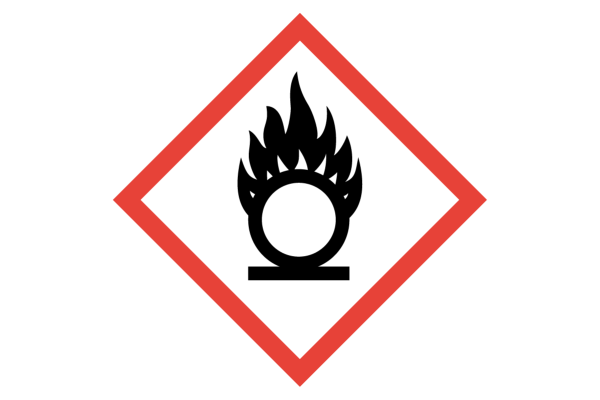
Flame Over Circle
Oxidizers.
Skull & Crossbones
Acute toxicity (fatal or toxic).
Related Policies, Procedures, References, and Resources
Internal Compliance
- COPPS: Hazard Communication Plan: The full procedural document outlining institutional responsibilities.
- COPPS: Waste: Hazardous & Infectious: Procedures for the legal disposal of chemical and biological byproducts.
- LCC Chemical Hygiene Plan: Specialized protocols for laboratory environments.
Regulatory References
- Oregon OSHA OAR 437-002-0360: The state standard for Hazard Communication.
- Globally Harmonized System (GHS): The international standard for chemical classification and labeling.
Primary Contacts
- Hazardous Materials/Facilities: Jennifer Hayward | (541) 463-5000 | haywardj@lanecc.edu
- Occupational Health & Safety: Shane Turner | (541) 463-5115 | turnerms@lanecc.edu
- Chemical Hygiene Officer: Magdalena Parker | (541) 463-5036 | parkerm@lanecc.edu
Student Safety: Instructors are responsible for advising students on the nature of chemicals used in the classroom and ensuring they know how to access Safety Data Sheets.